How to Choose the Right Electrical Tape for Your Application
Introduction
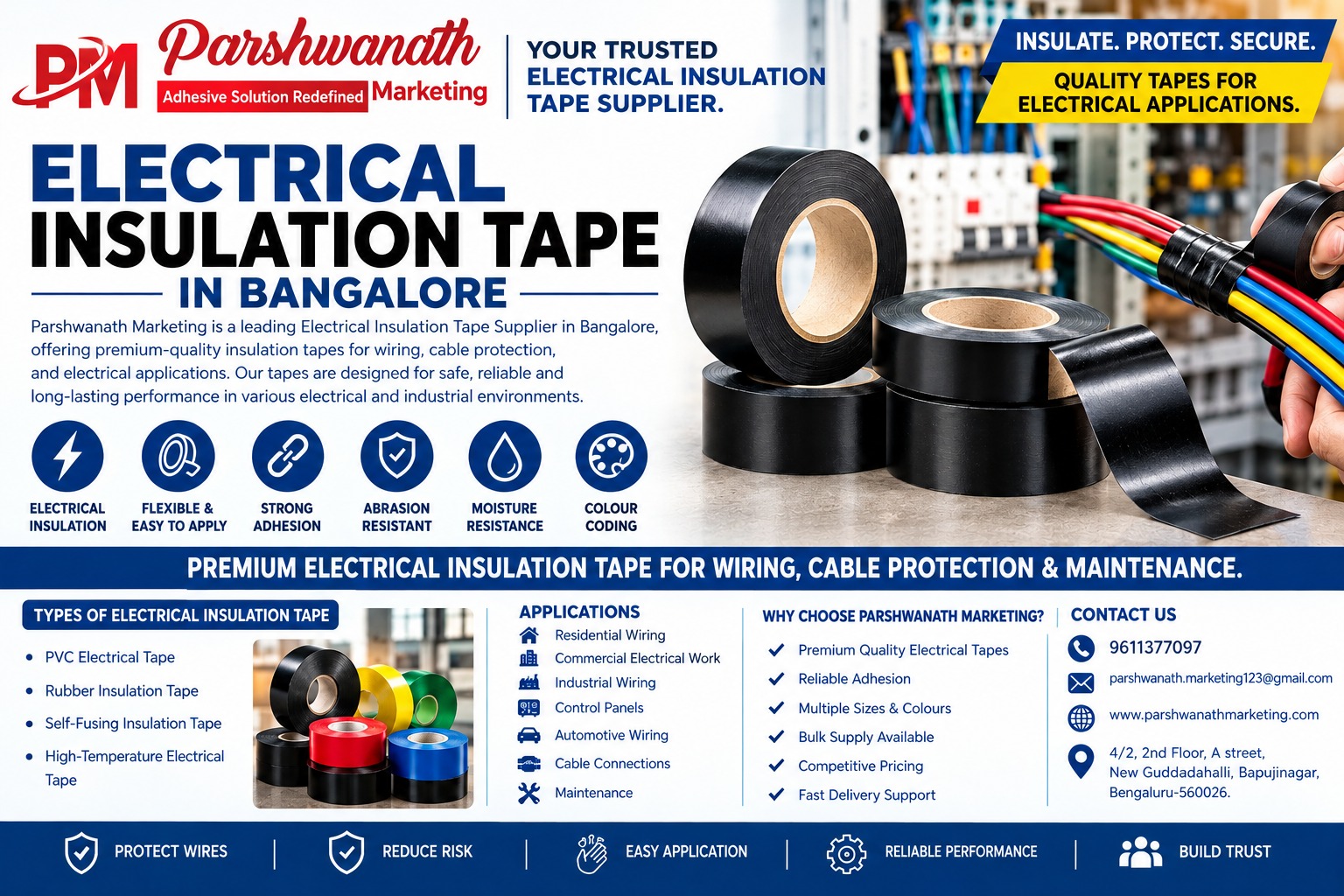
Electrical tape is an essential product for electrical installation, maintenance, wire insulation, and industrial applications. It helps insulate suitable electrical connections, bundle cables, and protect components when used according to the manufacturer's specifications. However, different electrical tapes are designed for different working conditions, so selecting the right type is important for safety and reliable performance.
When choosing electrical tape, consider factors such as voltage rating, temperature resistance, adhesion, flexibility, environmental exposure, and the type of application. This guide explains how to select suitable electrical tape for residential, commercial, and industrial requirements.
Types of Electrical Tape
1. PVC Electrical Tape
PVC electrical tape is widely used for general electrical insulation and cable management. It offers flexibility, good adhesion, and resistance to moisture and abrasion within its rated conditions.
Applications:
General electrical maintenance
Wire identification and cable bundling
Suitable low-voltage insulation applications
Electrical installation and repair work
2. Rubber Electrical Tape
Rubber electrical tape is used for applications that require conformability, insulation, or moisture sealing, depending on the product design.
Applications:
Suitable electrical cable joints
Moisture sealing for compatible connections
Electrical maintenance
Specialized insulation systems
3. High-Temperature Electrical Tape
High-temperature electrical tapes are designed for applications where ordinary tapes may not withstand the operating heat. Their temperature limits depend on the backing material and adhesive.
Applications:
Industrial equipment
Electrical components exposed to elevated temperatures
Specialized manufacturing processes
Applications requiring heat-resistant insulation materials
4. Specialty Electrical Tape
Specialty electrical tapes may use polyester, silicone, glass cloth, or other engineered materials. They are developed for specific requirements, such as heat resistance, surface protection, masking, or electrical insulation.
Always check the product's technical specifications before choosing a tape for a specialized application.
Important Factors to Consider When Choosing Electrical Tape
1. Voltage Rating
Choose electrical tape suitable for the voltage and type of electrical system. Ordinary insulation tape should not be used as a substitute for a properly designed medium- or high-voltage insulation system.
Check the manufacturer's voltage rating, applicable standards, and installation recommendations before use.
2. Temperature Resistance
Electrical equipment can produce heat during operation. Using tape beyond its rated temperature range can lead to adhesive failure, cracking, or reduced insulation performance.
Select a tape that can withstand the expected operating temperature and any temperature fluctuations in your environment.
3. Adhesion and Flexibility
A suitable electrical tape should adhere properly to compatible surfaces and wrap neatly around wires or cables. Flexibility is particularly important when working around bends, connectors, and irregular shapes.
Consider the surface material, cable diameter, vibration, and installation conditions when selecting the tape.
4. Moisture and Weather Resistance
Electrical tape used outdoors or in damp locations may need additional resistance to moisture, sunlight, and changing weather conditions. Not every electrical tape provides a waterproof seal.
Check the manufacturer's specifications and use an approved sealing system when the application requires protection against water ingress.
5. Tape Width and Thickness
Tape width and thickness affect coverage and installation. Narrower tape may be easier to apply in restricted spaces, while wider tape can cover larger areas.
Choose dimensions that meet the product instructions and the insulation requirements of the application. Do not assume that a thicker tape is automatically more suitable.
Which Electrical Tape Is Best for Different Applications?
| Application | Recommended consideration |
|---|---|
| Household electrical maintenance | Properly rated PVC electrical tape |
| Cable bundling | Flexible tape with reliable adhesion |
| Industrial equipment | Tape suited to operating conditions |
| Outdoor installations | Appropriate weather and UV resistance |
| High-temperature environments | Verified high-temperature rating |
| Electrical cable joints | Approved tape or complete insulation system |
| Wire identification | Suitable colours and durable adhesion |
The correct product depends on the actual working conditions, electrical requirements, and manufacturer's instructions.
Common Mistakes to Avoid
Avoid these mistakes when purchasing or using electrical tape:
Selecting a product based only on price.
Ignoring voltage and temperature ratings.
Using the same tape for every application.
Applying tape to wet, dirty, or incompatible surfaces.
Assuming all electrical tapes provide waterproof protection.
Using tape as a substitute for repairing damaged wiring.
Ignoring product instructions and applicable electrical safety standards.
Always isolate the power supply before carrying out permitted electrical maintenance. Damaged wiring and complex electrical repairs should be handled by a qualified electrician.
Why Choose Tapes Solution?
Choosing a reliable tape supplier helps you identify products that match your electrical and industrial requirements. Before purchasing, compare the tape's material, dimensions, adhesive properties, temperature limits, and intended use.
Tapes Solution provides adhesive tape solutions for a range of industrial and commercial applications. Customers can visit the website to explore available products and contact the supplier to confirm specifications, availability, and suitability for their project.
Website: https://www.tapessolution.com/
Conclusion
Choosing the right electrical tape involves more than selecting a roll based on colour or price. Voltage rating, temperature resistance, flexibility, adhesion, environmental exposure, and product quality all influence the tape's suitability.
By understanding your application and checking the manufacturer's technical specifications, you can select electrical tape that supports dependable insulation and maintenance. For critical electrical systems, always follow applicable safety standards and use approved installation and repair methods.